

Introduction
When people talk about cannabis quality, the conversation often turns to flavor and aroma. Notes of citrus, pine, earth, spice, or sweetness are more than sensory perks—they reflect the plant’s chemical makeup and overall growing potential. While lighting, nutrients, and curing techniques all shape the final experience, everything begins much earlier than most growers realize. It starts with the seed.
Cannabis seeds carry the genetic blueprint that determines how a plant expresses flavor, aroma, and terpene content. Understanding how seeds influence these outcomes helps growers make better choices, predict results more accurately, and cultivate plants that align with specific taste and effect preferences.
What Are Terpenes and Why Do They Matter?
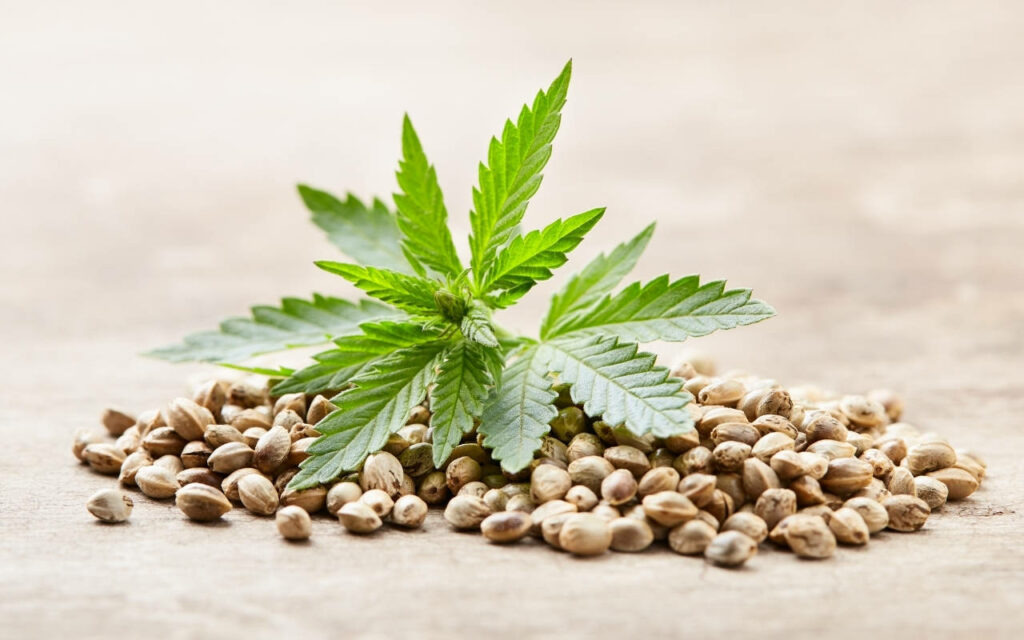
Terpenes are aromatic compounds found in many plants, including cannabis. They are responsible for the distinct scents and flavors associated with different strains, but their role goes beyond smell and taste. Terpenes interact with cannabinoids like THC and CBD, subtly shaping how a strain feels when consumed.
For example, limonene is often associated with citrus aromas and uplifting effects, while myrcene contributes to earthy notes and more relaxing characteristics. Each cannabis strain contains a unique terpene profile, and that profile plays a major role in defining the overall experience.
The Genetic Role of Cannabis Seeds
Cannabis seeds determine the plant’s genetic potential long before the first leaf emerges. This genetic code governs terpene production, including which terpenes are present, their relative ratios, and the plant’s ability to express them under proper conditions.
Just as grape varieties influence the flavor of wine, cannabis genetics influence aroma and taste. A seed bred from terpene-rich parent plants is far more likely to produce strong flavors than one with weaker aromatic lineage. While growing conditions can enhance or suppress expression, they cannot create terpene profiles that the genetics do not support.
How Parent Genetics Shape Flavor and Aroma
The terpene profile of a cannabis plant is inherited from its parent strains. Breeders carefully select plants with desirable aromas and flavors to create new seed lines. When these traits are stabilized through breeding, the resulting seeds consistently produce plants with similar sensory characteristics.
For instance, seeds bred from strains known for fruity terpenes are more likely to express sweet or tropical notes. Likewise, seeds with lineage rooted in landrace strains may produce earthier, spicier, or herbal aromas. This genetic inheritance is why strain descriptions often remain consistent across different growers.
Indica, Sativa, and Hybrid Influence on Terpenes
While indica, sativa, and hybrid labels are often used to describe growth patterns and effects, they also offer clues about flavor tendencies. Indica-dominant seeds often produce plants with musky, earthy, or sweet aromas. Sativa-leaning genetics frequently lean toward citrus, floral, or spicy profiles. Hybrids blend these characteristics, sometimes creating complex and layered terpene expressions.
It’s important to note that these are general patterns, not rules. Modern breeding has blurred traditional distinctions, making specific terpene data more reliable than broad strain categories.
Why Some Seeds Produce Stronger Flavors Than Others
Not all cannabis seeds are created equal. Seed quality plays a critical role in terpene expression. Fully mature seeds with stable genetics are more likely to produce vigorous plants capable of synthesizing high terpene levels.
Seeds from unreliable sources or unstable breeding programs may result in inconsistent terpene output, even when grown under ideal conditions. This inconsistency often leads to weaker aroma, muted flavor, or unpredictable results between plants grown from the same batch.
The Interaction Between Genetics and Growing Conditions
While seeds establish terpene potential, environmental factors determine how fully that potential is expressed. Light intensity, temperature, humidity, soil quality, and nutrient balance all influence terpene production. However, these factors can only enhance what already exists genetically.
A well-grown plant from poor genetics will never match the aroma of a moderately grown plant from terpene-rich seeds. This is why experienced growers prioritize seed selection before investing in advanced growing techniques.
Terpene Stability and Phenotype Variation
Even within the same seed batch, slight variations—known as phenotypes—can occur. These differences may affect aroma intensity, flavor balance, and terpene dominance. While genetics guide the overall profile, natural variation means some plants express certain terpenes more strongly than others.
High-quality seed lines reduce extreme variation, offering more predictable results. This stability is especially important for growers seeking consistent flavor profiles for personal use or commercial cultivation.
Seeds vs Clones: Flavor Consistency Explained
Some growers prefer clones to preserve exact terpene profiles. Clones are genetically identical to the parent plant, ensuring consistent aroma and flavor. Seeds, on the other hand, introduce slight genetic diversity.
However, seeds offer advantages too. They often produce stronger root systems and greater long-term resilience. With carefully selected, stabilized seeds, growers can achieve both consistency and vigor, especially when working within a trusted genetic line.
How Breeding Trends Are Shaping Modern Terpene Profiles
Modern cannabis breeding places increasing emphasis on terpene diversity and intensity. Many contemporary seeds are developed specifically to enhance flavor complexity rather than just potency. This has led to a surge in strains featuring dessert-like, fruity, or exotic aroma profiles.
As consumer interest shifts toward experience-driven consumption, seeds bred for terpene richness are becoming more valuable. This trend reinforces the idea that seeds are not just a starting point—they are a defining factor in the final product.
Choosing Seeds for Desired Flavor and Aroma
Selecting seeds based on terpene profiles requires attention to breeder information, strain lineage, and documented characteristics. Reputable seed providers often list dominant terpenes and flavor notes, giving growers a clearer expectation of results.
Reading grower reviews and understanding genetic backgrounds can further refine selection. Choosing seeds aligned with your preferred aromas—whether citrusy, earthy, sweet, or spicy—sets the stage for satisfying outcomes.
Also Read: Common Mistakes to Avoid When Starting Cannabis Seeds
The Bottom Line: Seeds Set the Sensory Foundation
Flavor and aroma are not accidental outcomes in cannabis cultivation. They are the result of genetic programming carried within the seed, shaped by careful breeding and expressed through thoughtful growing practices. Terpenes define much of what makes a strain memorable, and seeds determine whether those qualities are even possible.
By understanding how seeds influence terpene profiles, growers gain more control over the final experience. Investing in quality genetics is the first and most important step toward cultivating cannabis with rich flavor, distinctive aroma, and consistent results.