
Introduction
Germination is the first and most critical stage of growing cannabis. It’s the moment a dormant seed awakens and begins its transformation into a living plant. Done correctly, germination sets the foundation for strong roots, vigorous growth, and higher yields. Done poorly, it can stop your grow before it even starts.
Whether you’re growing indoors or outdoors, understanding how cannabis seeds germinate — and how to create ideal conditions — will dramatically improve your success rate.
What Is Germination?

Germination is the process by which a cannabis seed cracks open and develops its first root, known as the taproot. This happens when moisture, warmth, and oxygen activate the seed’s internal enzymes.
Once the taproot emerges, the seed is officially viable and ready to be planted in soil or another growing medium.
Understanding Cannabis Seed Structure
Before diving into techniques, it helps to understand what’s happening inside the seed.
A cannabis seed contains:
- Protective outer shell – Shields the embryo
- Embryo – The living plant material
- Stored nutrients – Fuel for early growth
When moisture penetrates the shell, enzymes activate and the embryo begins to expand, cracking the seed open and sending out the taproot.
Ideal Conditions for Germination
Successful germination depends on three primary factors:
1. Moisture
Seeds need consistent moisture — not soaking wet conditions. Too much water can cause rot.
2. Temperature
The ideal range is 21–26°C (70–80°F). Cooler temperatures slow germination, while excessive heat can damage the embryo.
3. Darkness
Seeds germinate best in dark environments. Light isn’t necessary until the seedling emerges.
Humidity levels around 70–90% can also help during early stages.
Popular Germination Methods
1. Paper Towel Method (Most Popular)
This is one of the most widely used techniques because it allows growers to monitor progress.
Steps:
- Moisten (not soak) two paper towels.
- Place seeds between them.
- Put inside a container or zip-lock bag to retain moisture.
- Store in a warm, dark place.
- Check daily for taproot development.
Taproots typically appear within 24–72 hours, though some seeds may take up to 7 days.
Once the taproot reaches about 0.5–1 cm, transfer carefully into soil with the root pointing downward.
2. Direct-to-Soil Method
This method reduces transplant shock.
Steps:
- Lightly moisten quality seed-starting soil.
- Create a small hole about 1–1.5 cm deep.
- Place the seed inside.
- Cover gently and keep soil moist.
Seedlings usually emerge within 3–7 days.
3. Water Glass Method
Seeds are placed in a glass of room-temperature water for 12–24 hours.
This softens the shell and can speed up germination. Seeds that sink are often viable, though floating seeds can still sprout.
Do not leave seeds submerged longer than 24–36 hours to avoid oxygen deprivation.
Feminized vs. Autoflower vs. Regular Seeds
Germination techniques are generally the same regardless of seed type.
- Feminized seeds are bred to produce female plants.
- Autoflower seeds flower automatically based on age rather than light cycle.
- Regular seeds can produce male or female plants.
The germination process itself remains identical across types.
Common Germination Mistakes
Even experienced growers can run into problems. Here are frequent errors to avoid:
1. Overwatering
Too much moisture suffocates seeds and promotes mold.
2. Handling the Taproot
The taproot is extremely delicate. Touching it directly can damage the seedling.
3. Planting Too Deep
If buried too deeply, the seedling may struggle to reach the surface.
4. Temperature Fluctuations
Cold or unstable temperatures delay or prevent sprouting.
5. Using Poor-Quality Seeds
Old or improperly stored seeds have lower viability.
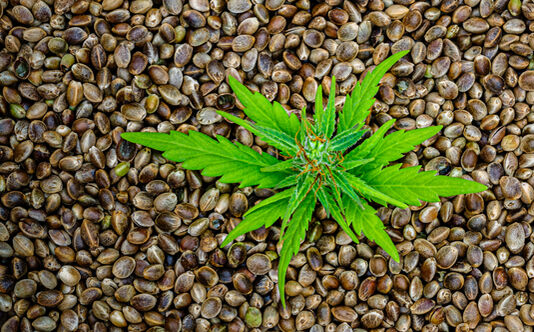
How to Tell If a Seed Is Healthy
Healthy cannabis seeds are typically:
- Dark brown or gray
- Slightly glossy
- Firm to the touch
- Sometimes striped or mottled
Pale green or soft seeds are less likely to germinate.
Timeline of Germination
Here’s what to expect:
- Day 1–3: Seed absorbs moisture, shell cracks
- Day 2–7: Taproot emerges
- Day 3–10: Seedling breaks through soil
- Week 1: First set of true leaves appear
If no taproot appears after 10 days, the seed may not be viable.
After Germination: Early Seedling Care
Once your seedling emerges:
- Provide gentle light (avoid intense direct light immediately)
- Keep soil lightly moist
- Maintain stable temperatures
- Avoid heavy nutrients for the first 1–2 weeks
Seedlings rely on stored nutrients initially and don’t require strong feeding early on.
Tips for Higher Success Rates
- Store seeds in a cool, dark, dry place before use
- Use filtered or distilled water when possible
- Sanitize containers to prevent mold
- Avoid constant handling
- Label strains clearly if germinating multiple varieties
Consistency is more important than complexity.
Why Germination Matters So Much
Strong germination leads to:
- Healthier root systems
- Faster vegetative growth
- Greater resistance to stress
- Higher overall yields
The early root structure determines how efficiently your plant absorbs nutrients throughout its life cycle.
Also Read: How to Identify High-Quality Cannabis Seeds Before You Buy
Final Thoughts
Germinating cannabis seeds is simple in theory but requires attention to detail. Warmth, moisture, darkness, and gentle handling are the pillars of success. Whether you prefer the paper towel method or direct-to-soil planting, creating stable conditions will dramatically increase your sprouting rate.
Every great harvest begins with a single successful seed. Master germination, and you build a strong foundation for the entire grow cycle.