

Introduction
Cannabis affects people in many different ways, and those effects often evolve with continued use. Many individuals notice that the same amount of cannabis that once produced noticeable effects gradually feels weaker over time. This phenomenon is known as cannabis tolerance. Understanding how tolerance develops and why the body responds differently with repeated exposure can help people make informed decisions about their cannabis use.
Cannabis tolerance is not unusual. It is a natural biological response that occurs when the body adapts to a substance after repeated exposure. Over time, the brain and body become accustomed to cannabinoids, particularly THC, which can change how strongly cannabis affects mood, perception, and physical sensations.
This article explores the science behind cannabis tolerance, the factors that influence it, and why the effects of cannabis can change over time.
What Is Cannabis Tolerance?
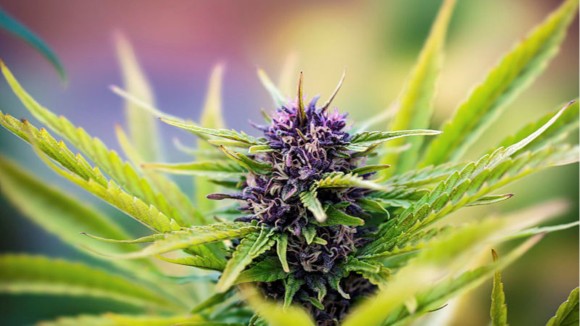
Cannabis tolerance refers to the body’s reduced response to the effects of cannabis after repeated use. When someone first uses cannabis, even a small amount may produce noticeable effects. However, with frequent use, the same amount may feel less potent.
Tolerance develops because the body adapts to cannabinoids. The brain becomes less sensitive to THC, which is the primary psychoactive compound responsible for many of cannabis’s noticeable effects.
There are generally two main types of tolerance:
Acute tolerance occurs during a single session of use. The strongest effects are often felt soon after consumption, and the intensity may decrease even if more cannabis is used later in the same session.
Chronic tolerance develops over a longer period with regular use. In this case, the body adjusts to repeated exposure to cannabinoids, reducing their overall impact.
The Role of the Endocannabinoid System
To understand cannabis tolerance, it is important to look at the endocannabinoid system (ECS). The ECS is a complex network of receptors, enzymes, and naturally occurring compounds in the body that help regulate processes such as mood, sleep, appetite, pain perception, and memory.
Cannabis interacts with this system through cannabinoids like THC and CBD.
THC primarily binds to CB1 receptors, which are found in high concentrations in the brain and central nervous system. When THC activates these receptors, it produces many of the sensations associated with cannabis.
With repeated cannabis use, the brain may respond by reducing the number or sensitivity of these receptors. This process is called receptor downregulation. As a result, the same amount of THC produces weaker effects because fewer receptors are available to respond.
Why Cannabis Effects Change Over Time
Several biological and behavioral factors contribute to the changes people experience as cannabis tolerance develops.
1. Brain Adaptation
One of the main reasons cannabis effects change over time is the brain’s ability to adapt. The nervous system constantly works to maintain balance, also known as homeostasis. When cannabinoids repeatedly stimulate CB1 receptors, the brain adjusts its response to maintain stability.
Over time, this adjustment reduces the intensity of cannabis effects.
2. Receptor Sensitivity
Frequent exposure to THC can make CB1 receptors less responsive. This means that even if THC is present in the body, the receptors may not react as strongly as they did during earlier use.
This reduced sensitivity is a key factor in tolerance development.
3. Metabolic Changes
The body’s metabolism also plays a role in cannabis tolerance. Regular cannabis users may metabolize cannabinoids more efficiently. This can lead to faster breakdown and elimination of THC, which reduces how long the compound stays active in the body.
4. Behavioral Factors
Behavioral habits can also influence tolerance. For example, people who use cannabis frequently throughout the day may build tolerance more quickly than those who use it occasionally.
Repeated exposure without breaks gives the body little time to reset its sensitivity to cannabinoids.
How Different Consumption Methods Affect Tolerance
The way cannabis is consumed can also influence how tolerance develops. Different methods deliver cannabinoids to the body in different ways, which can affect both intensity and duration.
1. Smoking or Vaping
When cannabis is smoked or vaporized, cannabinoids enter the bloodstream quickly through the lungs. Effects are usually felt within minutes and may last a few hours.
Frequent smoking or vaping can lead to faster tolerance because the brain is repeatedly exposed to THC in short intervals.
2. Edibles
Edibles are processed through the digestive system and liver before entering the bloodstream. This process converts THC into a compound called 11-hydroxy-THC, which can produce longer-lasting effects.
Although edibles may produce stronger effects initially, regular use can still lead to tolerance over time.
3. Concentrates
Cannabis concentrates often contain much higher levels of THC compared to traditional cannabis flower. Because of their potency, frequent use of concentrates may accelerate tolerance development.
Higher THC exposure places greater stimulation on CB1 receptors, encouraging faster adaptation.
Individual Differences in Cannabis Tolerance
Not everyone develops tolerance at the same rate. Several factors influence how quickly tolerance builds and how cannabis affects a person over time.
1. Frequency of Use
One of the strongest predictors of tolerance is how often cannabis is used. Daily users typically develop higher tolerance levels than occasional users.
2. Dosage
Higher doses of THC can lead to faster tolerance development because they place greater stimulation on the endocannabinoid system.
3. Body Chemistry
Individual biology also matters. Genetics, metabolism, and the natural balance of the endocannabinoid system can influence how the body responds to cannabis.
4. Age and Experience
People who have used cannabis for many years may have different tolerance levels compared to beginners. Long-term exposure allows more time for the brain to adapt.
Signs That Cannabis Tolerance Has Increased
Cannabis tolerance can show up in several ways. People may notice changes in how their body reacts to the same amount of cannabis they once used.
Common signs include:
- Needing larger amounts to achieve the same effects
- Shorter duration of noticeable effects
- Reduced intensity of relaxation or mood changes
- Less noticeable physical sensations
These changes do not necessarily mean cannabis is ineffective. Instead, they indicate that the body has adjusted to repeated exposure.
Can Cannabis Tolerance Reset?
One widely discussed approach to managing tolerance is taking a break from cannabis use, often referred to as a tolerance break or “T-break.”
When cannabis use stops for a period of time, CB1 receptors may gradually return to their normal sensitivity. Research suggests that receptor levels can begin recovering within a few days and may continue improving over several weeks.
The length of time needed for a noticeable reset can vary depending on previous usage patterns and individual biology.
Does CBD Affect Cannabis Tolerance?
CBD interacts with the endocannabinoid system differently than THC. Unlike THC, CBD does not strongly bind to CB1 receptors and does not produce intoxicating effects.
Some research suggests that CBD may influence how THC interacts with the brain, potentially moderating certain effects. However, its role in cannabis tolerance is still being studied, and more research is needed to fully understand the relationship.
The Importance of Balanced Cannabis Use
Understanding cannabis tolerance can help individuals make more mindful choices about their consumption habits. As tolerance develops, people may naturally adjust their usage patterns based on personal goals, lifestyle, and comfort levels.
Awareness of tolerance also highlights the importance of moderation and self-awareness when using cannabis products.
Different people may prefer different approaches. Some may maintain occasional use to preserve sensitivity, while others may adjust dosage or consumption frequency over time.
The Future of Cannabis Research
Scientific research into cannabis and the endocannabinoid system continues to expand. As legalization and public interest grow in many regions, researchers are gaining more opportunities to study how cannabinoids interact with the human body.
Future studies may provide deeper insights into tolerance development, long-term effects, and the complex relationship between cannabinoids and brain chemistry.
Better understanding of these processes could help guide more informed approaches to cannabis use and contribute to broader knowledge about the endocannabinoid system.
Also Read: Germination of Cannabis Seeds: A Complete Beginner-to-Pro Guide
Conclusion
Cannabis tolerance is a natural biological response that occurs when the body adapts to repeated exposure to cannabinoids, particularly THC. Changes in receptor sensitivity, brain adaptation, metabolism, and usage habits all play a role in why cannabis effects may feel different over time.
While tolerance can reduce the intensity of cannabis effects, it also reflects the body’s remarkable ability to maintain balance. As research continues to explore the science behind cannabis and the endocannabinoid system, understanding tolerance will remain an important part of responsible and informed cannabis use.