
Introduction
Starting cannabis seeds is an exciting step for any grower, whether you’re experimenting for the first time or refining your cultivation skills. However, the seed and seedling stage is also the most delicate phase of the plant’s life. Small errors early on can slow growth, reduce yields, or even prevent seeds from sprouting at all.
The good news is that most beginner mistakes are easy to avoid once you understand what cannabis seeds truly need to thrive. This guide walks you through the most common pitfalls growers face when starting cannabis seeds—and how to steer clear of them for a healthy, strong start.
Using Low-Quality or Unreliable Seeds
One of the biggest mistakes happens before planting even begins. Poor-quality seeds often lead to weak seedlings or failed germination, no matter how carefully you manage the environment.
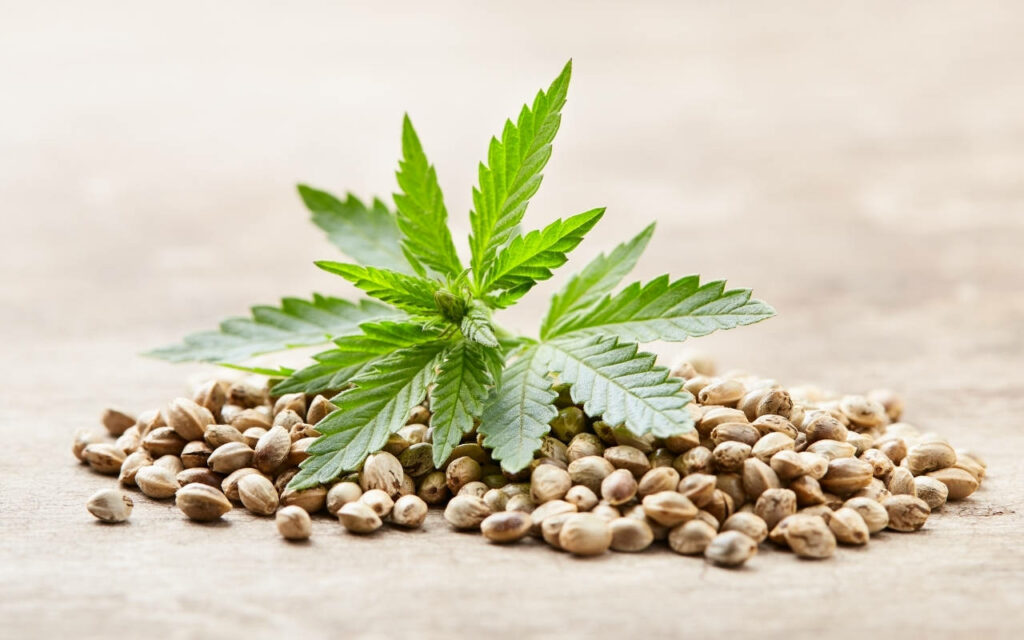
Healthy cannabis seeds are typically dark brown, gray, or striped, with a hard outer shell. Pale green, cracked, or soft seeds are often immature or damaged. Buying from unreliable sources increases the risk of poor genetics, low germination rates, or mislabeled strains.
Starting with high-quality seeds from reputable seed banks gives you a solid genetic foundation, making every other step easier and more predictable.
Overwatering During Germination
Water is essential for germination, but too much of it can be just as harmful as too little. Overwatering is one of the most common reasons cannabis seeds fail to sprout or seedlings die shortly after emerging.
Excess moisture limits oxygen in the growing medium, causing seeds to rot before they can develop roots. Seedlings that survive may develop weak stems and are more prone to damping-off disease.
The growing medium should be moist, not soaked. Light misting or controlled watering ensures the seed has enough hydration while still allowing proper airflow to the roots.
Planting Seeds Too Deep or Too Shallow
Depth matters more than many new growers realize. Seeds planted too deep may struggle to break through the soil surface, while seeds placed too close to the top risk drying out or being exposed to light too early.
A general guideline is to plant cannabis seeds about half an inch (1–1.5 cm) deep. This depth provides enough darkness and moisture while still allowing the seedling to emerge easily.
Gentle covering and light pressure on the soil help create stable contact without compacting the medium.
Using the Wrong Growing Medium
Not all soil or growing media are suitable for young cannabis plants. Heavy, compacted soils restrict root development and retain too much water, increasing the risk of root rot.
Seedlings prefer a light, well-aerated medium that drains easily while retaining enough moisture. Many growers choose seed-starting mixes or lightly amended soils designed for early growth stages.
Using nutrient-rich soil too early can also be a mistake. Young seedlings require very mild nutrition, and overly “hot” soil can burn delicate roots before the plant has a chance to establish itself.
Exposing Seeds to Extreme Temperatures
Temperature plays a critical role in successful germination. Cannabis seeds thrive in a warm, stable environment, but extremes on either end can stall or stop growth entirely.
Cold conditions slow metabolic activity, while excessive heat can dry out seeds or damage internal structures. Inconsistent temperatures also stress emerging seedlings, leading to uneven growth.
Maintaining a temperature range of approximately 20–25°C (68–77°F) during germination creates optimal conditions for consistent sprouting.
Providing Too Much or Too Little Light
Once seedlings emerge, light becomes essential—but balance is key. Too much light too soon can stress young plants, causing curling leaves or stunted growth. Too little light, on the other hand, leads to stretching, where seedlings grow tall and weak as they search for a light source.
Soft, indirect light or properly positioned grow lights work best during early stages. Gradually increasing light intensity as the plant grows helps build strong stems and healthy leaf development.
Understanding the lighting needs at each stage prevents unnecessary stress and encourages steady growth.
Handling Seedlings Too Often
It’s tempting to check on seedlings constantly, but excessive handling can do more harm than good. Young cannabis plants are fragile, and even small disturbances can damage roots or stems.
Touching, repositioning, or transplanting too early can slow growth or shock the plant. Seedlings benefit from stability and minimal interference during their first days.
Letting the plant establish itself before making adjustments allows natural development to take place without unnecessary stress.
Starting Seeds Without a Plan
Another overlooked mistake is planting seeds without a clear growing strategy. Factors such as indoor vs. outdoor growing, available space, climate, and plant type (autoflower or photoperiod) all influence how seeds should be started.
For example, autoflower seeds prefer minimal transplanting due to their short life cycle, while photoperiod plants allow more flexibility. Outdoor growers must also consider seasonal timing and weather patterns.
Having a plan before planting ensures smoother transitions as the plant moves from seedling to vegetative growth.
Ignoring Hygiene and Cleanliness
Cleanliness is often underestimated in cannabis cultivation. Dirty tools, reused containers, or contaminated soil can introduce fungi, pests, or harmful bacteria that attack young seedlings.
Simple practices like washing hands, sterilizing pots, and using clean water significantly reduce the risk of disease. Healthy starts depend not only on genetics and environment but also on a clean growing setup.
Prevention is far easier than trying to fix problems once they appear.
Expecting Instant Results
Finally, impatience can be a grower’s worst enemy. Cannabis seeds germinate and grow at their own pace, and not every seed will sprout at the same time or in the same way.
Digging up seeds to “check progress” often damages the emerging taproot, reducing the chances of success. Trusting the process and allowing time for natural development leads to better outcomes.
Consistent care, rather than constant intervention, produces stronger plants.
Also Read: Microdosing Cannabis: Benefits, Risks, and Best Practices
Final Thoughts
Starting cannabis seeds successfully is less about advanced techniques and more about avoiding common, preventable mistakes. By choosing quality seeds, maintaining proper moisture and temperature, using the right growing medium, and practicing patience, you give your plants the best possible start.
Every grower learns through experience, but understanding these early pitfalls can save time, effort, and frustration. A strong beginning sets the stage for healthy growth, better yields, and a more rewarding cultivation journey from seed to harvest.