
Introduction
Buying cannabis seeds is the very first decision that shapes your entire growing experience. No matter how advanced your setup is or how carefully you manage nutrients, lighting, and watering, poor-quality seeds can limit results before your plants even sprout. For beginners and experienced growers alike, knowing how to identify high-quality cannabis seeds before purchasing is essential.
With the growing number of seed banks and online sellers, not all cannabis seeds are created equal. Some are immature, improperly stored, genetically unstable, or simply mislabeled. Learning what to look for helps you avoid wasted time, money, and effort while improving your chances of a healthy, productive grow.
This guide walks through the key visual, genetic, and sourcing factors that indicate seed quality—so you can make informed decisions before buying.
Why Seed Quality Matters More Than You Think
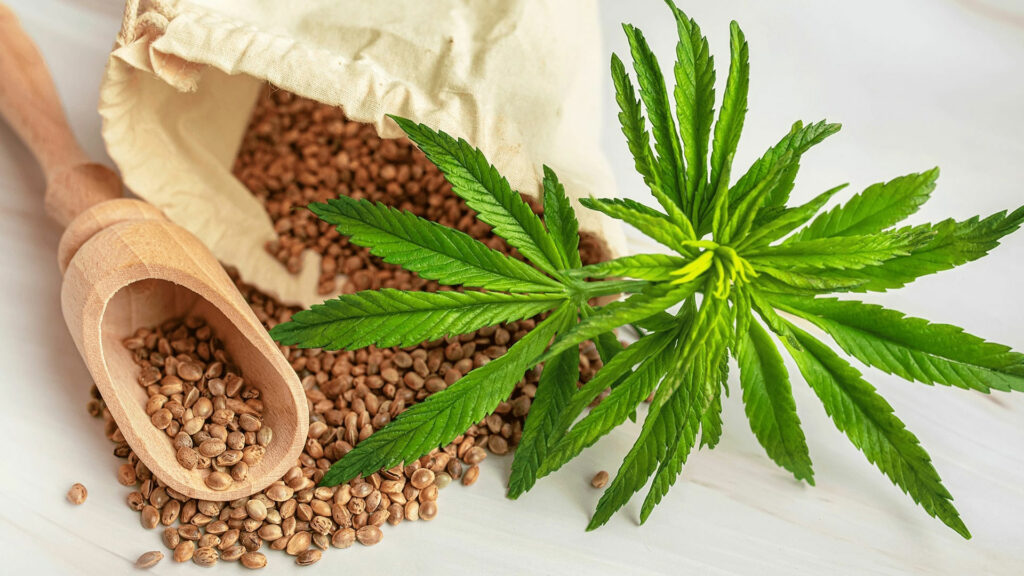
Cannabis seeds carry the plant’s entire genetic blueprint. From growth speed and structure to resistance, yield, and cannabinoid content, everything begins at the seed stage.
High-quality seeds typically offer:
- Higher germination rates
- Stronger seedlings
- More predictable growth patterns
- Better resistance to stress and disease
- More consistent final results
Low-quality seeds, on the other hand, often lead to weak sprouts, uneven growth, or plants that fail early. Investing in quality seeds saves frustration and improves overall success.
Physical Appearance: What Healthy Cannabis Seeds Look Like
One of the easiest ways to assess seed quality is by carefully examining their physical traits.
1. Color
High-quality cannabis seeds are usually:
- Dark brown, grey, or black
- Often marked with subtle stripes or mottling
Seeds that are pale green, white, or very light are typically immature and less likely to germinate successfully.
2. Shell Hardness
Good seeds have a firm outer shell. When gently squeezed between fingers, they should resist pressure. Soft or easily crushed seeds often indicate immaturity or improper storage.
3. Surface Texture
Quality seeds usually have a smooth to slightly textured surface with a natural sheen. Cracked, chipped, or damaged shells are red flags and often reduce viability.
Seed Size and Shape: Consistency Is Key
While cannabis seed size varies by strain, high-quality batches tend to show consistency.
- Seeds should be relatively uniform in size
- Misshapen or irregular seeds may signal poor breeding or unstable genetics
Larger seeds are not automatically better, but extremely small or thin seeds often struggle to sprout.
Maturity and Viability Indicators
Mature seeds have fully developed shells and internal structures needed for germination.
Signs of maturity include:
- Firm shell
- Dark coloration
- Well-defined shape
Immature seeds lack stored energy, making it harder for them to break dormancy and establish strong roots.
Understanding Cannabis Seed Types
Knowing what type of seed you’re buying helps assess quality and suitability.
1. Regular Seeds
Contain both male and female genetics. High-quality regular seeds come from stable parent plants and reputable breeders.
2. Feminized Seeds
Bred to produce female plants almost exclusively. Quality feminized seeds require precise breeding techniques—poorly made feminized seeds may increase the risk of hermaphroditism.
3. Autoflower Seeds
Flower based on age rather than light cycles. Good autoflower seeds should have strong ruderalis genetics blended with stable photoperiod strains.
Regardless of type, reputable breeding practices are essential for seed quality.
Genetics and Breeding Stability
High-quality cannabis seeds come from carefully selected parent plants. Stable genetics result in plants that grow uniformly and express expected traits.
Indicators of good genetics include:
- Clear strain lineage
- Consistent plant characteristics across grows
- Reliable cannabinoid and terpene profiles
Unstable genetics may lead to unpredictable growth, inconsistent flowering times, or stress-induced issues.
Source Matters: Choosing Reputable Seed Banks
Where you buy your seeds is just as important as the seeds themselves.
Reliable seed banks typically offer:
- Detailed strain descriptions
- Transparent breeding information
- Clear germination guarantees
- Customer reviews and feedback
- Secure packaging and discreet shipping
Be cautious of sellers offering vague strain names, exaggerated claims, or prices that seem unrealistically low.
Packaging and Storage Conditions
Even high-quality seeds can degrade if stored improperly.
Quality sellers usually store seeds:
- In cool, dark environments
- With controlled humidity
- In sealed, protective packaging
If seeds are exposed to heat, light, or moisture for extended periods, germination rates may drop significantly.
Avoiding Common Red Flags
Watch out for these warning signs when buying cannabis seeds:
- No information about genetics or origin
- Lack of customer support or contact details
- No germination policy
- Inconsistent seed appearance within the same batch
- Overly flashy marketing without substance
Trustworthy seed sellers focus on transparency rather than hype.
Price vs Quality: What to Expect
High-quality cannabis seeds are rarely the cheapest option, but higher price alone doesn’t guarantee quality.
Reasonable pricing reflects:
- Breeding effort
- Genetic stability
- Storage standards
- Customer service
Extremely cheap seeds often indicate poor breeding, old stock, or improper handling.
Online Reviews and Community Feedback
Grower communities provide valuable insight into seed quality. Reviews that mention:
- Germination success
- Plant vigor
- Yield consistency
are especially useful. Look for patterns rather than single opinions, and be cautious of reviews that sound overly promotional.
Legal Awareness Before You Buy
Before purchasing cannabis seeds, it is essential to have a clear understanding of local laws and regulations related to seed ownership, cultivation, and distribution. Cannabis laws vary significantly by country, state, and even municipality, and what is legal in one region may be restricted or prohibited in another.
Some jurisdictions allow the purchase and possession of cannabis seeds but place limits on how many plants can be grown, where cultivation can take place, or whether growing is allowed at all. Other regions may restrict seed sales to licensed suppliers or prohibit importing seeds across borders. Failing to follow these rules—often unknowingly—can result in fines, confiscation of seeds, or other legal consequences.
Even when cannabis seeds are high quality and purchased from reputable sellers, using them incorrectly or outside the scope of local regulations can create avoidable legal problems. Taking the time to research current laws before buying ensures that your investment is protected, your grow remains compliant, and you can proceed with confidence rather than risk complications later.
What to Do When Seeds Arrive
Once your cannabis seeds arrive, taking a few careful steps right away can make a meaningful difference in their long-term viability and germination success. Even high-quality seeds can lose their effectiveness if they are mishandled or stored incorrectly after delivery.
Start by inspecting the seeds immediately. Check for visible damage, cracks, or unusually pale coloring that may indicate immaturity or poor handling during transit. This early inspection allows you to address any issues promptly while return or replacement options are still available.
If you’re not planning to germinate the seeds right away, store them in a cool, dark place. Excess heat, light, and humidity can degrade seed quality over time. Many growers use airtight containers kept in a stable environment to help maintain ideal conditions and prevent moisture exposure.
It’s also important to avoid unnecessary handling. Oils from your fingers, repeated exposure to air, and physical pressure can weaken the seed shell and affect internal viability. Handle seeds only when necessary and with clean, dry hands.
Proper storage and careful handling help preserve the seed’s internal energy and genetic integrity, ensuring that when it’s time to germinate, the seeds have the best possible chance of sprouting strong and healthy plants.
Also Read: Flavor, Aroma, and Terpenes: How Seeds Influence Final Results
Final Thoughts
High-quality cannabis seeds are the foundation of a successful grow. By paying attention to appearance, genetics, sourcing, and storage, you dramatically increase your chances of healthy plants and satisfying results.
Instead of rushing into a purchase, take time to evaluate seed quality before buying. A little research upfront saves significant effort later and leads to a smoother, more rewarding growing experience.