
Introduction
As cannabis conversations mature, the focus is gradually shifting away from intoxication toward intentional, low-dose use. One approach gaining attention among wellness-focused users is microdosing cannabis—using very small amounts to experience subtle benefits without feeling impaired.
Microdosing isn’t about getting “high.” It’s about finding the minimum effective dose that supports focus, mood, creativity, or physical comfort while allowing you to stay fully functional. Still, like any cannabis use, it comes with nuances, potential risks, and important considerations. Let’s explore what microdosing cannabis really means, what research and user experiences suggest, and how to approach it responsibly.
What Is Microdosing Cannabis?
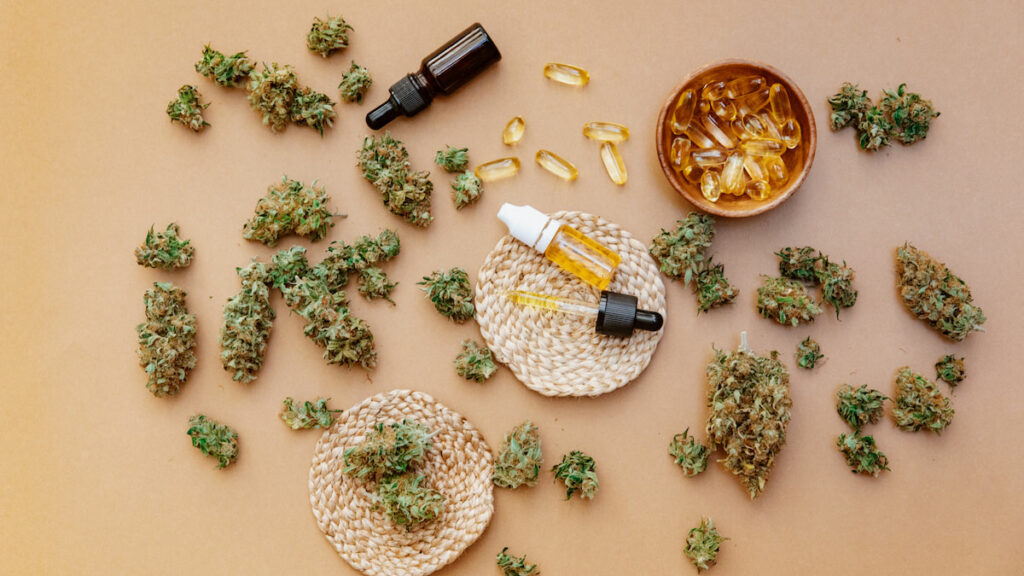
Microdosing cannabis refers to consuming very low amounts of cannabinoids, typically THC or THC-dominant products, at levels well below what would cause noticeable intoxication.
Instead of aiming for strong psychoactive effects, the goal is to stay below the “high” threshold while benefiting from cannabis’s interaction with the endocannabinoid system (ECS)—the body’s internal network that helps regulate mood, stress, sleep, pain perception, and balance.
Some people also microdose CBD-dominant or balanced THC:CBD products, depending on their sensitivity and goals.
Why Microdosing Cannabis Is Gaining Popularity
Traditional cannabis use often focuses on potency. Microdosing flips that idea entirely. The growing interest comes from a desire for control, clarity, and consistency, especially among adults integrating cannabis into daily routines.
Rather than altering reality, microdosing aims to gently support it.
Potential Benefits of Microdosing Cannabis
While large-scale clinical research on microdosing cannabis is still limited, emerging studies and consistent user reports highlight several potential benefits.
1. Subtle Stress and Mood Support
Low doses of cannabinoids may help take the edge off everyday stress without sedation or mental fog. Many people describe feeling calmer and more emotionally balanced, rather than euphoric.
2. Improved Focus and Creativity
Some users report enhanced focus, creativity, or problem-solving when microdosing—particularly with certain strains or terpene profiles. The effect is often described as mental clarity rather than stimulation.
3. Reduced Risk of Overconsumption
Because the dose is intentionally kept low, microdosing can reduce the likelihood of anxiety, paranoia, or discomfort that sometimes occurs with higher THC intake.
4. Better Daytime Functionality
Microdosing allows users to remain productive, social, and mentally present, making it more compatible with daytime use compared to traditional dosing.
5. Greater Sensitivity Over Time
Using small amounts may help maintain cannabinoid sensitivity, reducing the need for escalating doses and supporting more predictable effects.
How Microdosing Feels Compared to Regular Cannabis Use
One of the defining characteristics of microdosing is what you don’t feel.
There’s usually no strong intoxication, time distortion, or heavy body sensation. Instead, effects may show up as:
- Slight mood elevation
- Reduced mental tension
- Improved flow or engagement
- Mild physical ease
If the effects feel obvious or overwhelming, the dose likely exceeds the microdosing range.
Potential Risks and Limitations
Despite its appeal, microdosing cannabis isn’t risk-free or universally beneficial.
1. Individual Sensitivity Varies
People respond very differently to cannabinoids. What feels subtle for one person may feel intense for another, especially for those with low THC tolerance.
2. Anxiety at Low Doses Is Still Possible
Even small amounts of THC can trigger anxiety in sensitive individuals. Microdosing reduces risk but doesn’t eliminate it.
3. Inconsistent Product Potency
Variability in cannabis products can make precise low-dose use challenging. Without accurate labeling and consistency, it’s easy to unintentionally take more than intended.
4.vLimited Scientific Research
While anecdotal evidence is strong, controlled research on cannabis microdosing is still emerging. Effects may be subjective and influenced by expectation, context, and mindset.
5. Legal and Workplace Considerations
Depending on where you live, cannabis use—regardless of dose—may carry legal or professional risks. Microdosing doesn’t bypass these realities.
Best Practices for Microdosing Cannabis
Approaching microdosing thoughtfully makes all the difference. These principles focus on harm reduction, awareness, and intentional use rather than instruction.
1. Start With Awareness, Not Assumptions
Microdosing is about observation. Pay attention to how your body and mind respond over time rather than expecting instant results.
2. Choose Predictable Products
Consistency matters. Products with clear labeling and reliable cannabinoid profiles make it easier to stay within a low-dose range.
3. Focus on Timing and Context
Microdosing works best when aligned with your goal—whether that’s creative work, relaxation, or social ease. Environment and mindset significantly shape the experience.
4. Avoid Stacking Doses Too Quickly
Because low doses can feel subtle, it’s tempting to add more too soon. Giving your body enough time to respond helps prevent accidental overconsumption.
5. Keep It Purposeful
Microdosing isn’t meant for constant use without reflection. Many people benefit from periodic reassessment or intentional breaks.
Microdosing THC vs CBD: What’s the Difference?
Microdosing THC focuses on subtle psychoactive and mood-related effects, while microdosing CBD is typically non-intoxicating and geared toward calm, balance, or physical comfort.
Some users prefer balanced THC:CBD products, as CBD may help soften THC’s intensity and promote smoother effects. The right choice depends on sensitivity, goals, and comfort level.
Who Might Want to Avoid Microdosing Cannabis?
Microdosing may not be suitable for everyone.
People with a history of THC-related anxiety, psychosis, or certain mental health conditions should approach cannabis cautiously or avoid it altogether. Additionally, individuals who must comply with strict drug-testing policies may face risks regardless of dose.
When in doubt, prioritizing safety and professional guidance is always wise.
Also Read: Is Organic Cannabis Worth It? Understanding Clean-Grown Flower
Final Thoughts
Microdosing cannabis represents a shift toward intentional, mindful use—one that emphasizes subtle support over intensity. For some, it offers a way to integrate cannabis into daily life without impairment. For others, it may simply not align with their biology or lifestyle.
What matters most is understanding that microdosing isn’t about following a trend. It’s about listening to your body, respecting boundaries, and making informed choices within legal and personal limits.
As research continues to evolve, microdosing cannabis will likely remain part of a broader conversation about balance, wellness, and responsible use—where less, quite often, truly is more.