
Introduction
Cannabis has been used for centuries for cultural, recreational, and wellness purposes. In recent years, growing legalization and scientific interest have led to increased discussions about how cannabis interacts with the human body. While many people are familiar with the general effects of cannabis, fewer understand the complex biological systems involved in how it influences the brain and body.
Cannabis contains naturally occurring compounds called cannabinoids, which interact with a network in the body known as the endocannabinoid system. These interactions may influence mood, memory, appetite, sleep, movement, and many other bodily functions.
The effects of cannabis can vary depending on factors such as the strain, cannabinoid content, dosage, method of consumption, and individual body chemistry. Some people experience relaxation and calmness, while others may notice changes in focus, perception, or energy levels.
Understanding how cannabis affects the body can help consumers make more informed decisions and develop realistic expectations about its effects.
Understanding the Cannabis Plant
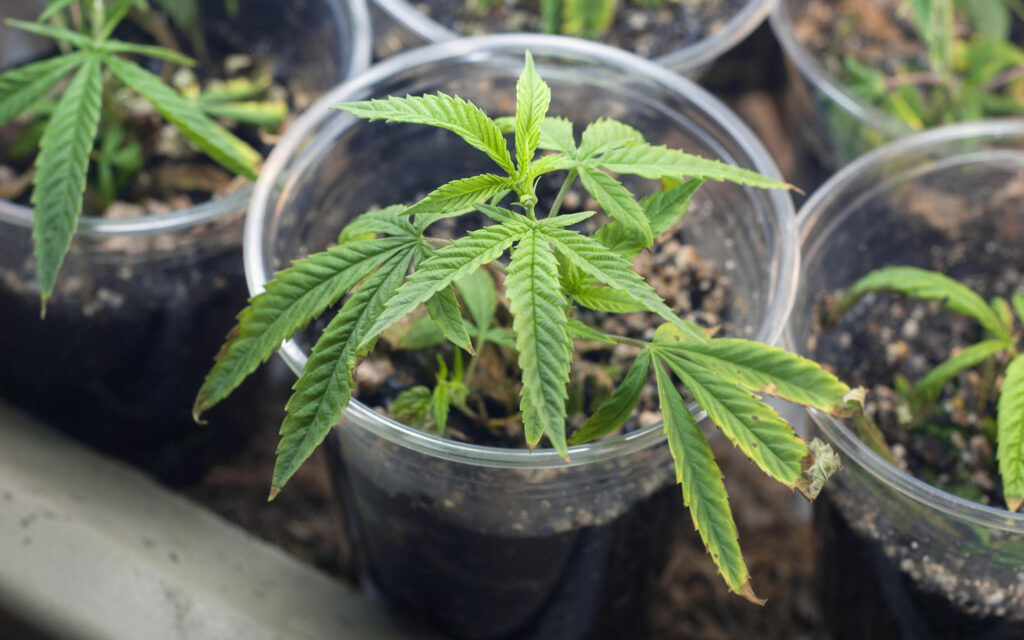
The cannabis plant contains more than 100 known cannabinoids, but two are most commonly discussed:
- THC (tetrahydrocannabinol)
- CBD (cannabidiol)
These compounds interact differently with the body and produce different effects.
THC
THC is the primary psychoactive compound in cannabis. It is responsible for the “high” associated with marijuana use. THC affects brain activity, perception, mood, and coordination.
CBD
CBD is non-intoxicating and does not produce the same psychoactive effects as THC. Many people use CBD for wellness-related purposes because it may promote relaxation and balance without causing impairment.
Cannabis strains may contain different levels of THC and CBD, which is why experiences can vary significantly from one product to another.
The Endocannabinoid System Explained
To understand how cannabis affects the body, it’s important to understand the endocannabinoid system (ECS).
The ECS is a complex signaling network found throughout the body. It helps regulate many important functions, including:
- Mood
- Sleep
- Appetite
- Pain perception
- Memory
- Immune response
- Stress regulation
The body naturally produces compounds called endocannabinoids, which bind to cannabinoid receptors throughout the brain and body.
Cannabis cannabinoids, particularly THC and CBD, interact with these receptors and influence how the system functions.
How THC Affects the Brain
THC primarily interacts with CB1 receptors, which are heavily concentrated in the brain and central nervous system.
When THC binds to these receptors, it alters communication between brain cells. This is what produces the psychoactive effects associated with cannabis.
Changes in Mood and Perception
One of the most noticeable effects of THC is its influence on mood and perception.
Some users report feelings of:
- Relaxation
- Euphoria
- Calmness
- Increased sensory awareness
Music, food, colors, and conversations may feel more intense or enjoyable for some individuals.
However, effects vary widely depending on dosage, tolerance, and individual sensitivity. Higher THC levels may increase the likelihood of unwanted effects such as anxiety or confusion in some users.
Effects on Memory and Thinking
THC can temporarily affect short-term memory and concentration.
This happens because cannabinoid receptors are highly active in the hippocampus, a brain region involved in memory formation. As a result, some users may have difficulty recalling recent information or staying focused while under the influence.
These effects are usually temporary, but frequent heavy use may impact cognitive function over time, especially in younger individuals whose brains are still developing.
Coordination and Reaction Time
Cannabis can affect motor control and reaction speed.
THC influences areas of the brain responsible for coordination and movement, which may impair activities requiring quick reflexes or attention. This is why driving or operating machinery after consuming cannabis is considered unsafe.
How CBD Affects the Brain
CBD interacts differently with the brain compared to THC.
Rather than binding strongly to cannabinoid receptors, CBD appears to influence them more indirectly. Researchers believe CBD may affect serotonin signaling and other pathways related to mood and stress regulation.
Many people describe CBD as producing subtle effects rather than dramatic changes in perception.
Some users report that CBD helps support:
- Relaxation
- Mental calmness
- Recovery after stress
- Overall balance
Because CBD does not create intoxication, it has become a popular option among individuals seeking plant-based wellness products without psychoactive effects.
Cannabis and Mental Wellness
Cannabis affects individuals differently when it comes to mental and emotional experiences.
Some users feel more relaxed or socially comfortable after consuming cannabis, while others may experience mental overstimulation or anxiety, particularly with high-THC products.
Factors influencing mental effects include:
- THC potency
- Frequency of use
- Personal tolerance
- Environment and mood
- Individual sensitivity
Balanced products containing both THC and CBD are sometimes preferred because CBD may help moderate certain THC effects.
Cannabis and Sleep
Many people use cannabis as part of nighttime relaxation routines.
Certain cannabis strains, particularly those with calming terpene profiles or higher THC levels, may help some users unwind before bed. Others use CBD-dominant products to support relaxation without intoxication.
However, cannabis affects sleep differently depending on the person and the product used. While some individuals report improved sleep quality, excessive or long-term use may affect natural sleep cycles for certain users.
Maintaining healthy sleep habits remains important regardless of cannabis use.
Effects on Appetite and Digestion
Cannabis is widely known for influencing appetite.
THC interacts with brain regions involved in hunger and food enjoyment, which may increase appetite in some users. This effect is often referred to as “the munchies.”
Cannabis may also affect:
- Taste perception
- Food cravings
- Digestive comfort
However, not everyone experiences increased appetite, and reactions can vary depending on cannabinoid content and dosage.
Cannabis and Physical Sensations
Cannabis may also influence how the body perceives physical sensations.
Some users report feelings of:
- Muscle relaxation
- Physical calmness
- Reduced tension
- Enhanced body awareness
This is one reason cannabis products are often discussed in conversations around recovery, relaxation, and post-exercise routines.
Topical cannabis products are also commonly used for localized support without producing psychoactive effects.
The Role of Terpenes
Cannabis contains aromatic compounds called terpenes, which contribute to both flavor and effects.
Common terpenes include:
- Myrcene
- Limonene
- Pinene
- Caryophyllene
Some terpenes are associated with calming effects, while others may feel more uplifting or energizing.
The combination of cannabinoids and terpenes helps explain why different cannabis strains can produce different experiences.
How Consumption Methods Affect the Body
The way cannabis is consumed influences how quickly effects appear and how long they last.
1. Smoking and Vaping
Smoking or vaping delivers cannabinoids quickly through the lungs, often producing effects within minutes.
However, inhalation methods may irritate the respiratory system, particularly with frequent use.
2. Edibles
Edibles take longer to produce effects because they must pass through digestion.
The delayed onset sometimes leads beginners to consume too much too quickly, which can result in stronger-than-expected effects.
3. Oils and Tinctures
Cannabis oils and tinctures are commonly used because they allow for more controlled dosing.
Effects may appear faster than edibles but slower than inhalation methods.
4. Topicals
Topical cannabis products are applied directly to the skin and are generally used for localized effects rather than full-body intoxication.
Short-Term vs Long-Term Effects
The effects of cannabis can vary depending on frequency and amount of use.
Short-Term Effects May Include:
- Relaxation
- Altered perception
- Increased appetite
- Temporary memory changes
- Slower reaction time
Long-Term Heavy Use May Affect:
- Motivation
- Memory and concentration
- Tolerance levels
- Dependence risk in some individuals
Research into long-term cannabis effects is still evolving, and outcomes can vary significantly between users.
Tolerance and Individual Response
Not everyone experiences cannabis in the same way.
Some individuals are highly sensitive to THC, while others develop tolerance over time. Regular use may reduce the intensity of effects, leading some users to increase dosage.
Factors influencing individual response include:
- Genetics
- Body chemistry
- Previous cannabis experience
- Product potency
- Mental state and environment
This variability is why responsible and mindful use is important.
Responsible Cannabis Use
As cannabis becomes more mainstream, responsible use is increasingly emphasized.
Important considerations include:
- Starting with low doses
- Avoiding impaired driving
- Understanding product potency
- Purchasing lab-tested products
- Being mindful of tolerance and frequency
Consumers should also be aware of local laws and regulations regarding cannabis products.
The Future of Cannabis Research
Scientific interest in cannabis continues to grow.
Researchers are studying how cannabinoids interact with the body, how different compounds influence effects, and how cannabis may fit into wellness, medical, and recreational settings.
As research expands, consumers will likely gain a deeper understanding of how cannabis affects the brain and body in both short-term and long-term contexts.
Also Read: Cannabis and Appetite: Why It May Influence Hunger
Final Thoughts
Cannabis affects the brain and body through a complex interaction with the endocannabinoid system. From mood and memory to appetite and physical sensations, cannabinoids such as THC and CBD can influence many different processes throughout the body.
The experience varies depending on the product, dosage, consumption method, and individual biology. While some people use cannabis for relaxation or wellness support, others may respond differently based on sensitivity and tolerance.
Understanding how cannabis works allows consumers to make more informed decisions and approach use more responsibly. As research and public awareness continue to evolve, conversations around cannabis are becoming increasingly focused on education, balance, and informed wellness choices.