
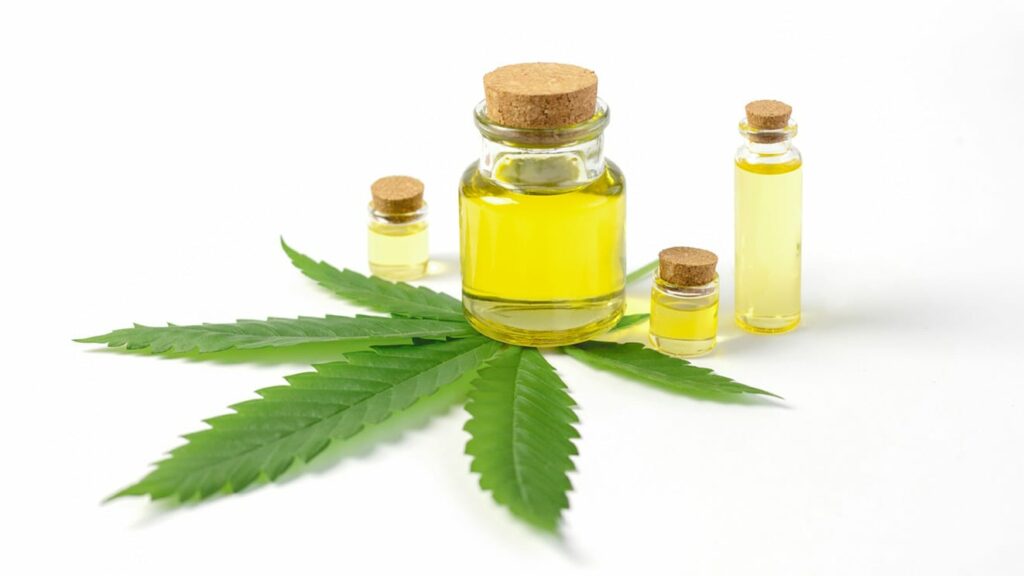
When people talk about high-quality cannabis, they often mention frosty buds, sticky resin, and crystal-like coatings on the flowers. These sparkling structures are known as trichomes, and they play a vital role in the cannabis plant’s growth, protection, and chemical composition. Trichomes are responsible for producing many of the compounds that make cannabis unique, including cannabinoids such as CBD and THC, as well as aromatic terpenes and flavonoids.
For growers, understanding trichomes is essential for determining the best time to harvest. For consumers, trichomes offer valuable insight into the quality, freshness, and maturity of cannabis products. Although they are tiny, these specialized structures have a significant impact on the plant’s characteristics and are the focus of ongoing scientific research.
In this article, we’ll explore what cannabis trichomes are, how resin is produced, the different types of trichomes, and why they matter in cultivation and product quality.
What Are Cannabis Trichomes?
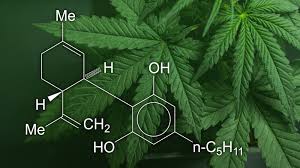
Trichomes are microscopic, hair-like structures that develop on the surface of cannabis plants. They are most abundant on the flowers but can also be found on leaves and stems, especially the small leaves surrounding the buds, often called sugar leaves.
The word “trichome” comes from the Greek word trichoma, meaning “hair growth.” Although they resemble tiny hairs, trichomes are highly specialized glands that serve several important biological functions.
These structures produce and store resin, which contains many of the plant’s most valuable natural compounds.
What Is Cannabis Resin?
Cannabis resin is a sticky, aromatic substance secreted by glandular trichomes. It acts as a protective coating for the plant while also serving as the primary source of cannabinoids and terpenes.
Resin naturally contains:
- Cannabinoids such as CBD, THC, CBG, CBC, and CBN
- Terpenes responsible for aroma and flavor
- Flavonoids
- Other naturally occurring plant compounds
The exact composition of the resin depends on the cannabis variety, genetics, cultivation methods, and environmental conditions.
Why Does the Cannabis Plant Produce Resin?
Resin production is not simply a feature that benefits consumers—it plays an important role in the plant’s survival.
Scientists believe cannabis resin helps protect the plant in several ways.
1. Protection From UV Radiation
Trichomes act as a natural shield by helping reduce the effects of intense ultraviolet (UV) light. This protection may help preserve delicate plant tissues during periods of strong sunlight.
2. Defense Against Pests
The sticky texture of resin can discourage certain insects and herbivores from feeding on the plant. In addition, the strong aroma produced by terpenes may deter some pests.
3. Environmental Protection
Trichomes may help reduce moisture loss and provide a barrier against harsh weather conditions, dust, and some environmental stressors.
4. Defense Against Pathogens
Researchers also believe that certain compounds in cannabis resin may contribute to the plant’s natural defenses against fungi and microbial threats, though this area continues to be studied.
The Three Main Types of Cannabis Trichomes
Not all trichomes are the same. Cannabis plants develop three primary types, each differing in size and function.
1. Bulbous Trichomes
Bulbous trichomes are the smallest and most numerous.
Characteristics include:
- Microscopic size
- Found across the entire plant
- Limited resin production
Although tiny, they still contribute to the plant’s protective surface.
2. Capitate-Sessile Trichomes
These trichomes are larger than bulbous trichomes and have a small glandular head attached directly to the plant surface.
Features include:
- Moderate resin production
- Common on leaves and flowers
- Visible under magnification
They play an important role in producing cannabinoids and terpenes.
3. Capitate-Stalked Trichomes
Capitate-stalked trichomes are the largest and most significant.
They consist of:
- A slender stalk
- A large glandular head
- High concentrations of cannabinoids and terpenes
These are the crystal-like structures most commonly associated with premium cannabis flowers.
How Trichomes Produce Cannabinoids
Cannabinoids are synthesized inside the glandular heads of trichomes through a series of natural biochemical reactions.
The process begins with precursor compounds produced by the plant. Specialized enzymes then convert these compounds into acidic cannabinoids, including:
- CBDA (Cannabidiolic acid)
- THCA (Tetrahydrocannabinolic acid)
- CBGA (Cannabigerolic acid)
Over time—or when exposed to heat through a process known as decarboxylation—these acidic forms are converted into the more familiar cannabinoids CBD and THC.
The quantity and balance of cannabinoids vary depending on the plant’s genetics, maturity, and growing conditions.
How Terpenes Are Produced
Terpenes are also created within the glandular trichomes.
These aromatic compounds are responsible for the distinctive scents and flavors of different cannabis varieties.
Common cannabis terpenes include:
1. Myrcene
Known for its earthy, herbal aroma.
2. Limonene
Provides bright citrus notes.
3. Pinene
Contributes a fresh pine scent.
4. Caryophyllene
Offers a spicy, pepper-like fragrance and is unique for its interaction with cannabinoid receptors.
The combination of terpenes helps create each cannabis strain’s unique aromatic profile.
Trichomes and Cannabis Maturity
Trichomes change in appearance as cannabis flowers mature.
Growers often use these visual changes to determine the ideal harvest window.
1. Clear Trichomes
Clear trichomes generally indicate that the plant is still developing and has not yet reached peak maturity.
2. Cloudy or Milky Trichomes
As cannabinoids accumulate, trichomes often become cloudy or milky.
Many cultivators consider this stage an indicator that the flowers have reached optimal maturity.
3. Amber Trichomes
Over time, some trichomes turn amber as certain cannabinoids continue to change during the plant’s maturation.
The proportion of clear, cloudy, and amber trichomes varies depending on cultivation goals and plant genetics.
Environmental Factors That Influence Resin Production
Several growing conditions affect trichome development and resin production.
1. Genetics
A plant’s genetic profile largely determines its potential for producing cannabinoids, terpenes, and resin.
2. Light
Adequate light supports healthy plant growth and influences resin development.
Many indoor growers carefully manage light intensity and photoperiods to encourage flower production.
3. Temperature
Moderate temperatures help support healthy trichome development.
Excessive heat may reduce terpene retention, while very low temperatures can stress the plant.
4. Humidity
Proper humidity levels reduce the risk of mold while supporting healthy flower development.
5. Nutrition
Balanced nutrients help plants develop vigorous growth and maximize their natural resin-producing potential.
Why Trichomes Matter for Growers
For cannabis cultivators, trichomes provide valuable information about plant health and maturity.
By observing trichomes with a magnifying lens or digital microscope, growers can:
- Monitor flower development
- Estimate harvest timing
- Evaluate resin production
- Identify plant stress
- Compare cultivar performance
Trichome inspection has become a standard practice in modern cannabis cultivation.
Trichomes and Product Quality
Consumers often associate visible trichomes with premium cannabis products.
Healthy trichomes may indicate:
- Good cultivation practices
- Careful harvesting
- Proper drying and curing
- Better preservation of cannabinoids and terpenes
However, appearance alone does not guarantee quality. Independent laboratory testing remains the most reliable way to verify cannabinoid content and product safety.
Protecting Trichomes After Harvest
Trichomes are delicate and can be damaged by rough handling.
To help preserve them:
- Handle flowers gently.
- Dry cannabis under controlled conditions.
- Cure properly before storage.
- Store in airtight containers.
- Protect from excessive heat and sunlight.
Proper post-harvest practices help maintain the plant’s natural chemical profile.
Common Myths About Cannabis Trichomes
Myth 1: More Visible Trichomes Always Mean Higher THC
Not necessarily.
Trichome abundance does not automatically indicate high THC levels. Laboratory testing is required to determine cannabinoid concentrations accurately.
Myth 2: Sticky Cannabis Is Always Better
Stickiness often reflects resin production, but moisture content, curing methods, and storage conditions also influence texture.
Myth 3: Trichomes Only Produce THC
False.
Trichomes produce a wide range of cannabinoids, terpenes, flavonoids, and other naturally occurring compounds—not just THC.
Also Read: Understanding THC and CBD: Key Differences
Final Thoughts
Cannabis trichomes may be microscopic, but they play an enormous role in the plant’s biology and overall quality. These tiny glandular structures are responsible for producing the resin that contains cannabinoids, terpenes, and other naturally occurring compounds, while also helping protect the plant from environmental stress, pests, and ultraviolet light. Their development reflects a complex interaction between genetics, cultivation techniques, and growing conditions, making them one of the most fascinating aspects of cannabis science.
For growers, monitoring trichomes is an essential step in evaluating plant maturity and determining the optimal harvest window. For consumers, understanding the role of trichomes provides valuable insight into why factors such as cultivation, drying, curing, and storage can influence the characteristics of cannabis products.
As research continues to uncover more about these remarkable structures, one thing remains clear: trichomes are at the heart of cannabis quality. Appreciating how they contribute to resin production and the plant’s natural chemical profile can help both cultivators and consumers make more informed decisions about cannabis cultivation and product selection.