
Introduction
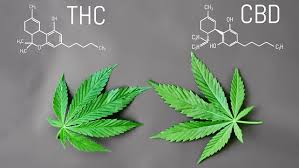
As cannabis and hemp-derived products become increasingly popular, two compounds often dominate the conversation: THC and CBD. While both are naturally occurring cannabinoids found in the cannabis plant, they affect the body in very different ways.
Understanding the differences between THC and CBD is important for anyone considering cannabis-related products, whether for wellness, relaxation, or general education. Although they share some similarities, their effects, legal status, and potential applications vary significantly.
What Are Cannabinoids?
Cannabinoids are naturally occurring chemical compounds found in cannabis plants. Scientists have identified more than 100 cannabinoids, but THC and CBD are the most widely studied and recognized.
These compounds interact with the body’s endocannabinoid system (ECS), a complex network that helps regulate functions such as:
- Mood
- Sleep
- Appetite
- Pain perception
- Memory
- Immune response
- Stress management
While THC and CBD both interact with the ECS, they do so in different ways.
What Is THC?
THC, short for tetrahydrocannabinol, is the primary psychoactive compound found in cannabis.
It is responsible for the “high” that many people associate with marijuana use.
THC interacts directly with CB1 receptors located primarily in the brain and central nervous system. This interaction produces various psychological and physical effects.
Common Effects of THC
Users may experience:
- Euphoria
- Altered perception
- Increased appetite
- Relaxation
- Enhanced sensory experiences
- Changes in mood
The intensity of these effects depends on factors such as dosage, individual tolerance, and consumption method.
What Is CBD?
CBD, or cannabidiol, is another major cannabinoid found in cannabis and hemp plants.
Unlike THC, CBD is non-intoxicating and does not produce a high.
Instead of directly binding to cannabinoid receptors, CBD influences the endocannabinoid system indirectly and interacts with other receptors throughout the body.
This unique mechanism has made CBD a popular ingredient in wellness products ranging from oils and gummies to skincare and supplements.
Common Effects of CBD
Users often report:
- A sense of calm
- Relaxation
- Emotional balance
- Improved recovery after exercise
- Better overall wellness support
These effects tend to be subtle rather than dramatic.
THC vs CBD: The Main Differences
Psychoactive Effects
The most significant difference is psychoactivity.
THC:
- Produces a high
- Alters perception and mood
- Can impair coordination and judgment
CBD:
- Does not cause intoxication
- Does not produce a high
- Generally allows users to remain clear-headed
This distinction is often the primary factor people consider when choosing between THC and CBD products.
How They Interact with the Endocannabinoid System
Although both compounds influence the ECS, their interactions differ.
THC
THC binds directly to CB1 receptors in the brain.
This direct activation is responsible for its psychoactive effects.
CBD
CBD influences receptors indirectly and may help support the ECS’s natural balancing functions.
It also interacts with serotonin receptors and other signaling systems throughout the body.
Potential Wellness Applications
THC
THC is commonly explored for:
- Relaxation
- Appetite stimulation
- Recreational experiences
- Certain medical applications where legally permitted
CBD
CBD is often used for:
- Everyday wellness
- Stress management
- Sleep support
- Recovery routines
- General relaxation
Research into both compounds continues to expand.
Side Effects: THC vs CBD
Both cannabinoids can produce side effects, although their profiles differ.
Potential THC Side Effects
- Dry mouth
- Dizziness
- Impaired coordination
- Increased heart rate
- Anxiety in some individuals
- Short-term memory impairment
Potential CBD Side Effects
- Dry mouth
- Drowsiness
- Digestive discomfort
- Changes in appetite
CBD is generally considered well tolerated by most users.
Legal Differences
The legal status of THC and CBD varies depending on location.
THC
THC remains heavily regulated in many regions and may only be available through medical or adult-use cannabis programs.
CBD
Hemp-derived CBD products containing low levels of THC are legal in many areas, though regulations differ by country and state.
Consumers should always check local laws before purchasing or using cannabinoid products.
Full-Spectrum, Broad-Spectrum, and Isolate Products
Understanding product types can help consumers make informed decisions.
Full-Spectrum Products
Contain:
- CBD
- Trace THC
- Additional cannabinoids
- Terpenes
These products aim to maximize the “entourage effect.”
Broad-Spectrum Products
Contain:
- CBD
- Multiple cannabinoids
- Terpenes
- No THC
This option appeals to individuals who want additional plant compounds without THC exposure.
CBD Isolate
Contains only pure CBD with no other cannabinoids.
THC Products
THC products may also contain additional cannabinoids and terpenes depending on formulation.
What Is the Entourage Effect?
The entourage effect is the theory that cannabinoids and terpenes may work more effectively together than individually.
For example, CBD, THC, and various terpenes may interact synergistically to create unique effects.
Although research is ongoing, this concept has influenced the popularity of full-spectrum products.
Choosing Between THC and CBD
The right choice depends on your goals and preferences.
You may prefer CBD if:
- You want wellness support without intoxication
- You need to remain focused and productive
- You wish to avoid psychoactive effects
You may consider THC where legal if:
- You are seeking its unique psychoactive effects
- You are comfortable with temporary impairment
- You understand local regulations and responsible use practices
Some individuals use products that contain both compounds, depending on their needs and legal access.
Can THC and CBD Be Used Together?
Yes. Many cannabis products contain both THC and CBD.
Interestingly, CBD may influence how THC affects the body. Some users report that CBD helps moderate certain THC-related effects, although experiences vary from person to person.
The ratio of THC to CBD often plays a significant role in determining the overall experience.
Factors That Affect Individual Responses
Everyone responds differently to cannabinoids.
Factors that influence results include:
- Body weight
- Metabolism
- Genetics
- Tolerance
- Dosage
- Product quality
- Consumption method
Because of these variables, two people using the same product may have different experiences.
Also Read: How Cannabis Affects the Brain and Body
Final Thoughts
THC and CBD are two of the most important cannabinoids found in cannabis, but they serve very different purposes. THC is known for its psychoactive effects and direct interaction with brain receptors, while CBD offers non-intoxicating support through indirect interactions with the body’s regulatory systems.
Understanding these differences can help consumers choose products that align with their goals, whether they are interested in relaxation, wellness support, or simply learning more about cannabis. As research continues to evolve, both THC and CBD are likely to remain central to discussions about cannabis and its potential applications.